
- 190720 February
Fert is born
When on February 20, 1907, at 5:00 PM, Federico Dalla Vecchia, as president, opened the first meeting of the Board of Directors of the firm "Impresa Generale Trasporti Fert", he certainly must have breathed a sigh of relief. It was an intense day, that Wednesday, culminating in the early afternoon with the assembly of shareholders or their representatives (a good 62 of them). Fert was born, but the path followed to reach that point had not been simple at all.
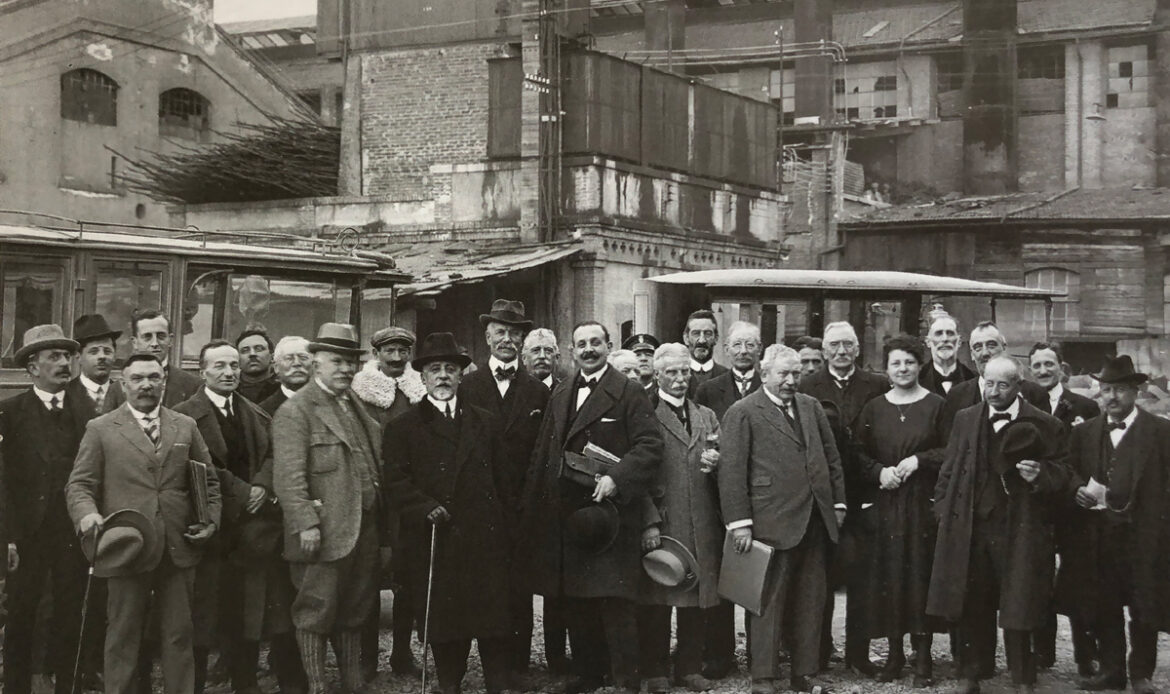
Ownership and management of Società Franchi – Fert shareholder
- The new company is the result of a complex and heterogeneous consortium that included the most important city companies of the early twentieth century and, above all, various financiers and professionals linked to these same businesses and to the Credito Agricolo Bresciano bank – also present in the company structure.
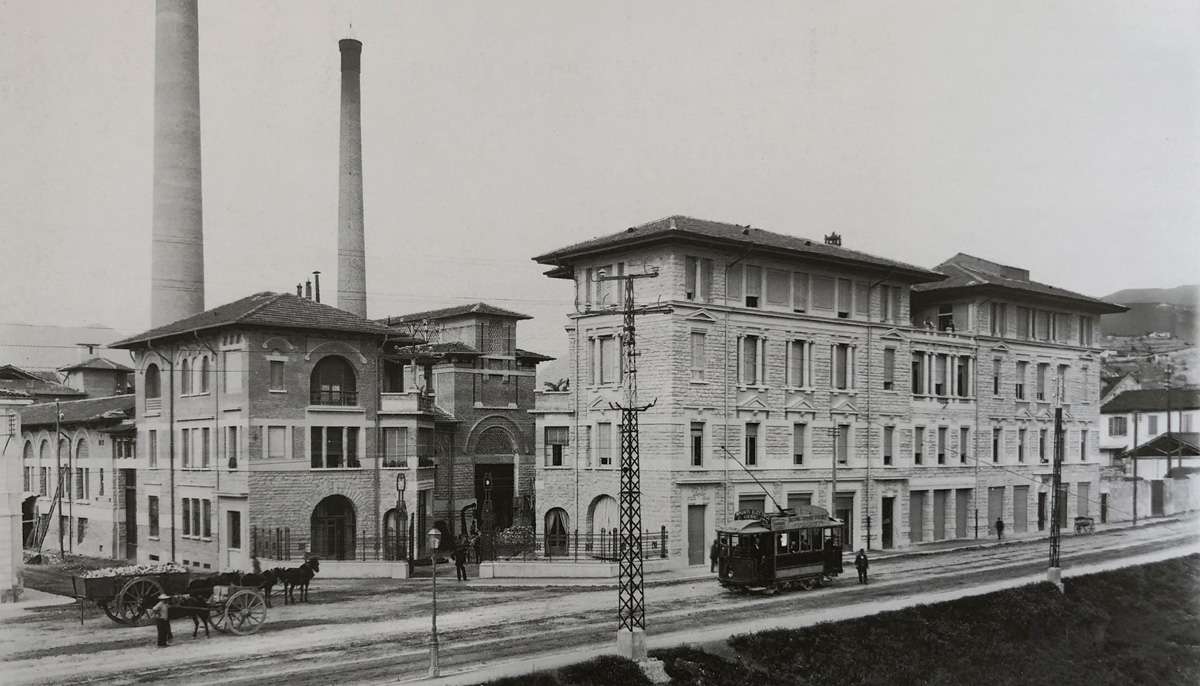
SEB Società Elettrica Bresciana – among the main shareholders
An exceptional corporate structure
President Federico Dalla Vecchia thus inaugurated the life of the company that afternoon of February 20, with great enthusiasm. The company truly configured itself as a coagulation of the entire Brescian industrial world, in a corporate structure that primarily constituted a first-rate client base.
1910 Officine Metallurgiche Togni – Fert Shareholder
- Starting with the city's mechanical and metallurgical production, the textile world, and also the brick industry and the powerful Società Elettrica Bresciana, as well as some major merchants. The important names are not missing, with the personal presence of industrialists Giulio Togni, Attilio Franchi, Federico Palazzoli, engineer Giovanni Conti, and Dominatore Mainetti themselves.

Giulio Togni and Federico Palazzoli
Building the company network
Between May and June of the same year, Fert already boasted its own representatives "in all cities of Italy and abroad" and "branches in the province" reachable by telephone. Branches were opened in Mantua, Cremona, Desenzano, and Pisogne, and subsequently an agency in Venice "especially in view of the increase in river navigation."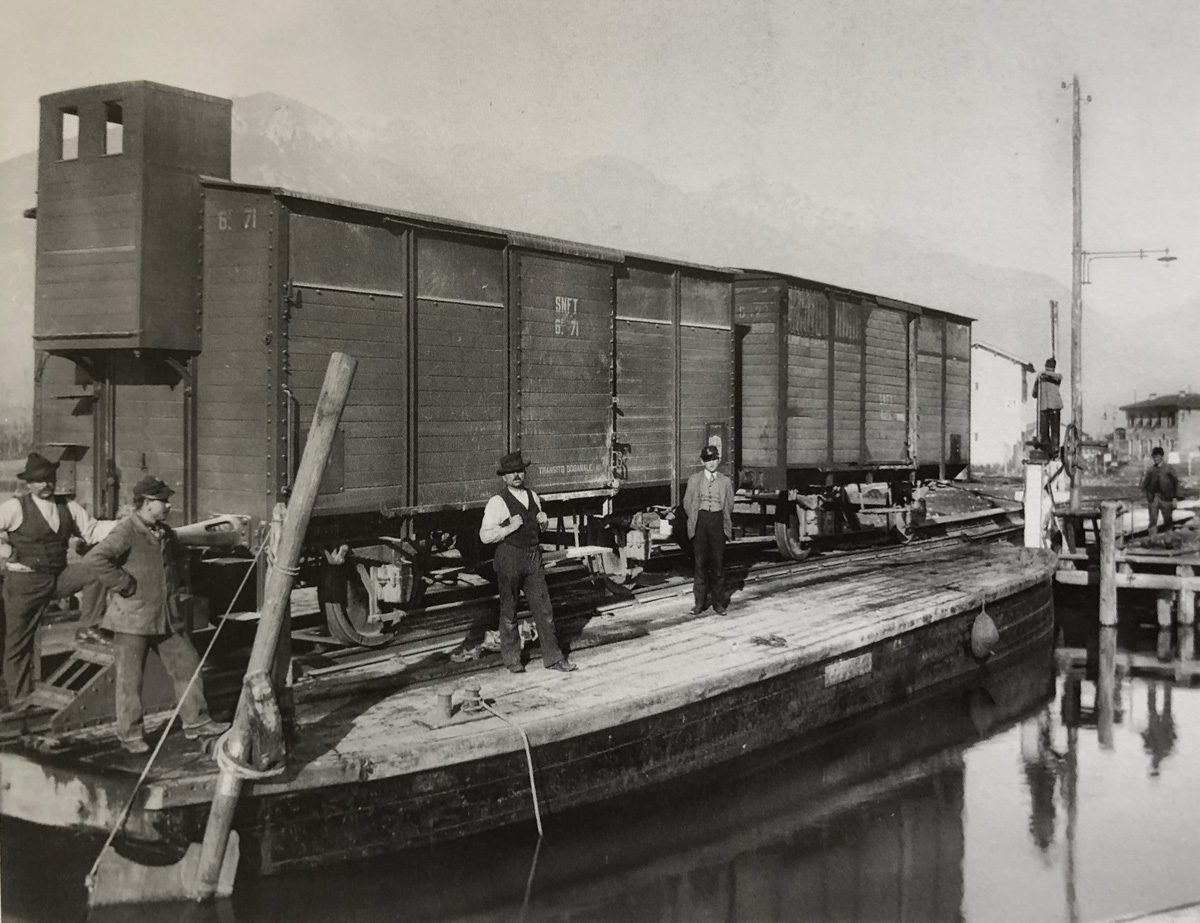
Loading a barge for rail transport on Lake Iseo
- 1910
The Belle Époque
Fert managed to win the contract for the Brescia-Milan railway and tram line. The success of this operation would allow the company to gain visibility and positions in Italy and Northern Europe, also thanks to the opening of the Simplon Tunnel in the same year.
Works for the Simplon Tunnel
- After having established the company's activities with efficient coordination between the various agencies, branches, and agreements with many other companies, the president pushed for a leap in quality. In the city, the "Società Magazzini Generali di Deposito" (General Warehouse and Deposit Company) was founded, and Fert immediately began a dense network of relationships with it. Fert's own headquarters also underwent some improvements. In addition to surrounding the warehouses with high walls "to prevent frequent thefts," an adjacent area owned by the railways was purchased, and a parking lot was created for the first trucks built by Brixia Zust.

Loading of a Zust truck, similar to those supplied to Fert
- Despite Fert's improvements and the company's continuous pressure on the Railway Directorate, the freight yard remained inadequate and unresolved. Above all, it was still the loading and unloading service that created the greatest inconveniences. Only a part of the wagons could be sorted, with the others being transferred to the countryside.
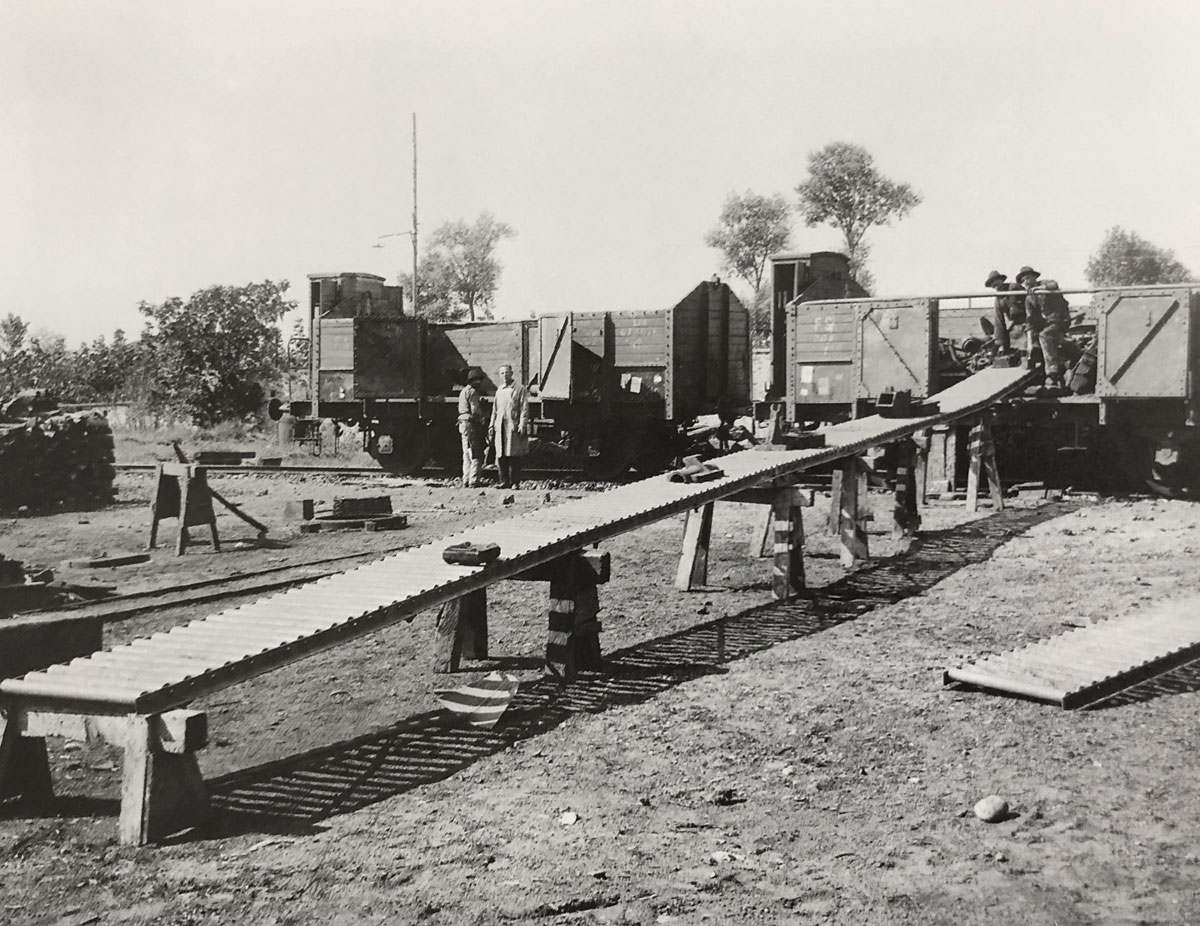
Goods handling operations between fields and railway
- 1915
Into wartime business
Fert immediately managed to turn war operations into a potential business opportunity. Although the new opportunity appeared operationally complex, the company proceeded to expand its headquarters and thus added a section dedicated to "military transport" alongside its usual activities.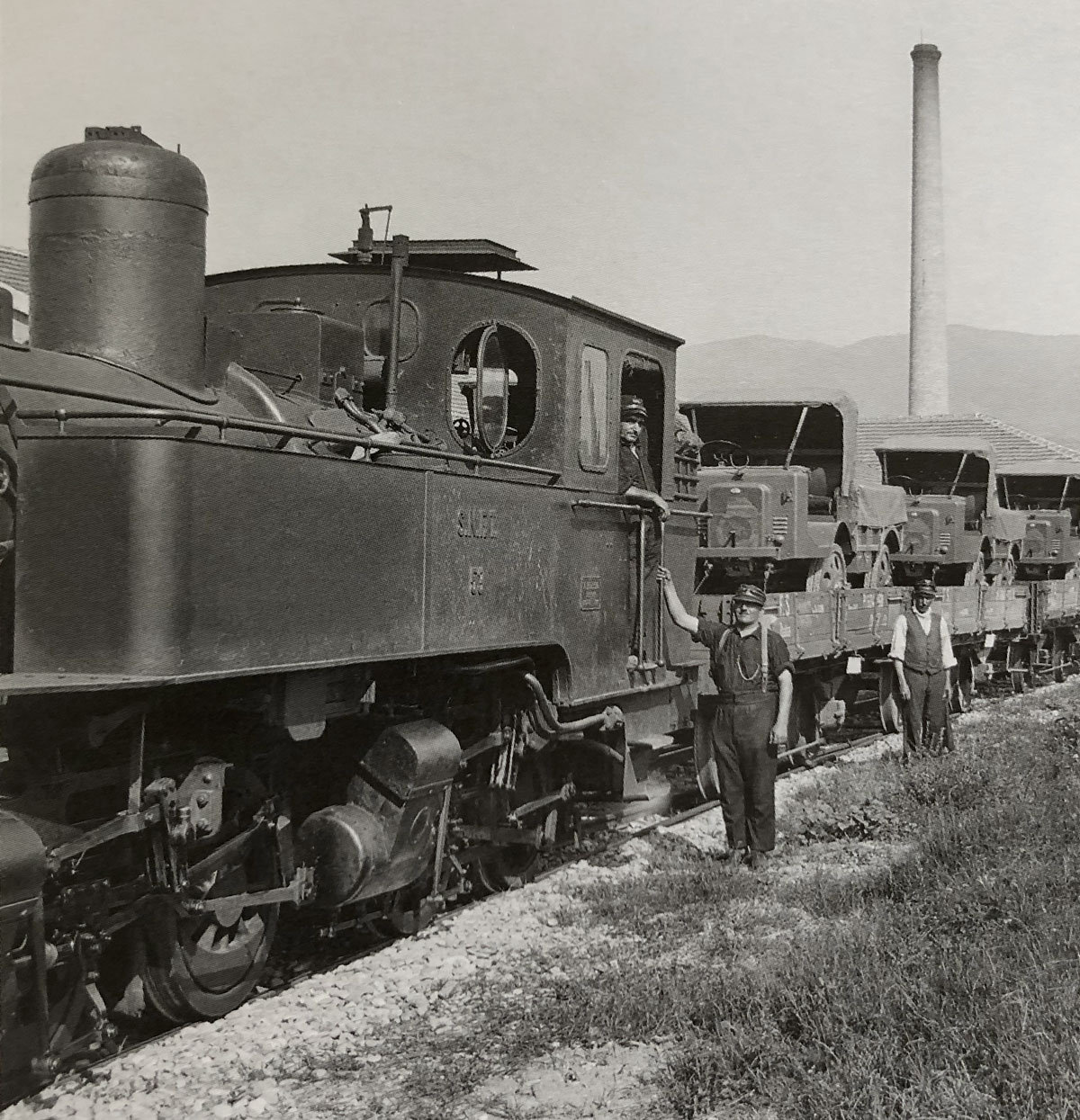
OM ships the lorries made for the army by rail
- 1919
In the crisis of reconversion
The years following the war were truly tough times, and so it was for the company, which found itself operating during seasons of full demobilization and reconversion of war industries. The vertical drop in production and the accompanying spread of unemployment made the situation dramatic. The increase in inflation necessitated an increase in the company's share capital, and it was a time for some shareholders to reconsider their presence and for others, including President Dalla Vecchia and most of the Board of Directors, to acquire greater power within the company. And so, the corporate structure effectively took on a completely different face with the departure of a good portion of the initial subscribers.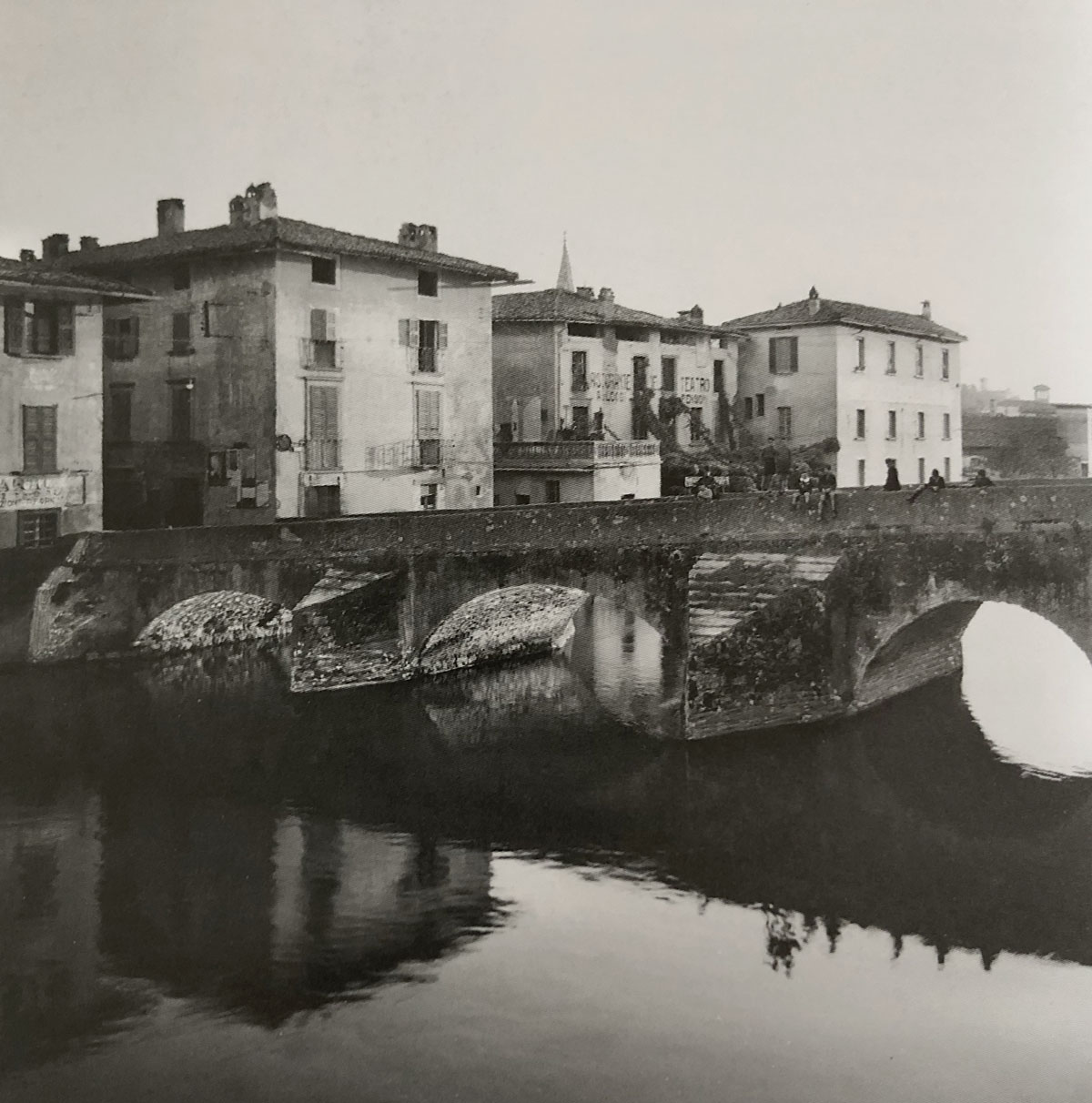
The center of Palazzolo sull'Oglio. Headquarters opened and immediately closed after a few years
- Profits in subsequent years would be minimal, forcing the company to close some branches and sell some properties.
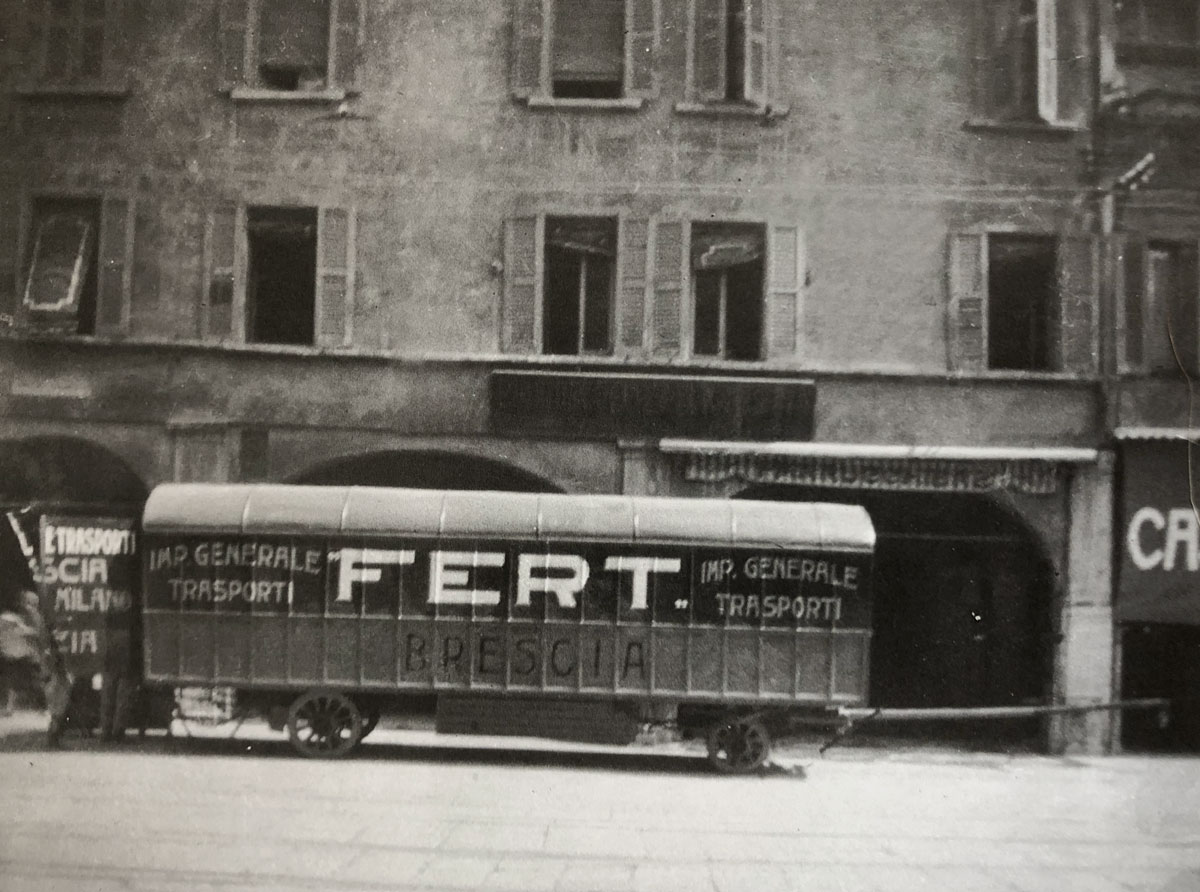
Fert relocation from the very central Via Zanardelli, Brescia
- 1920Fert did not give up, and finally, after extensive advertising campaigns, the year 1924 turned positive again, also thanks to the increase in motorways and road transport.
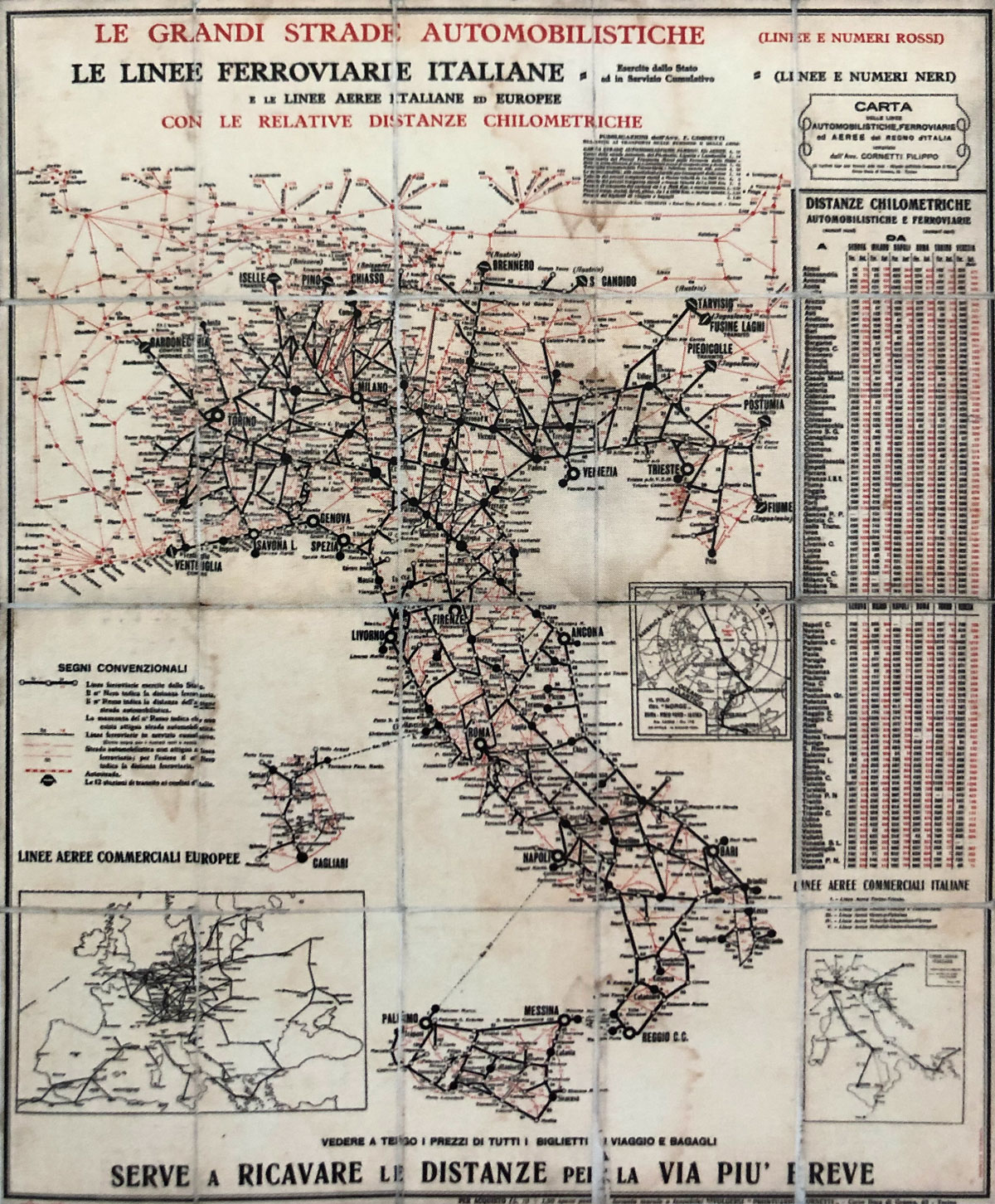
Road and rail lines of northern Italy in the mid-1920s
- 1929
An company at a crossroads
A few years later, however, the crisis began to be felt again, the toughest being that of '29, so much so that President Dalla Vecchia seemed to be operating almost as a liquidator of the company as early as 1928. Fert decided, in fact, to proceed with the closure of the Milan branch, maintaining only a simple collection point for goods destined for Brescia.
Attracco sul lago di Iseo: battelli e chiatte trasportano le merci verso gli snodi ferroviari
- Docking on Lake Iseo: boats and barges transport goods towards railway hubs After a series of tensions among the shareholders, it was decided to extend the company's duration until 1940, hoping for better times. In 1932, finally, a little breathing room, and President Dalla Vecchia decided to purchase a truck with a trailer from the OM company, admired in Milan at the Motor Show the year before. And the choice would be far-sighted.
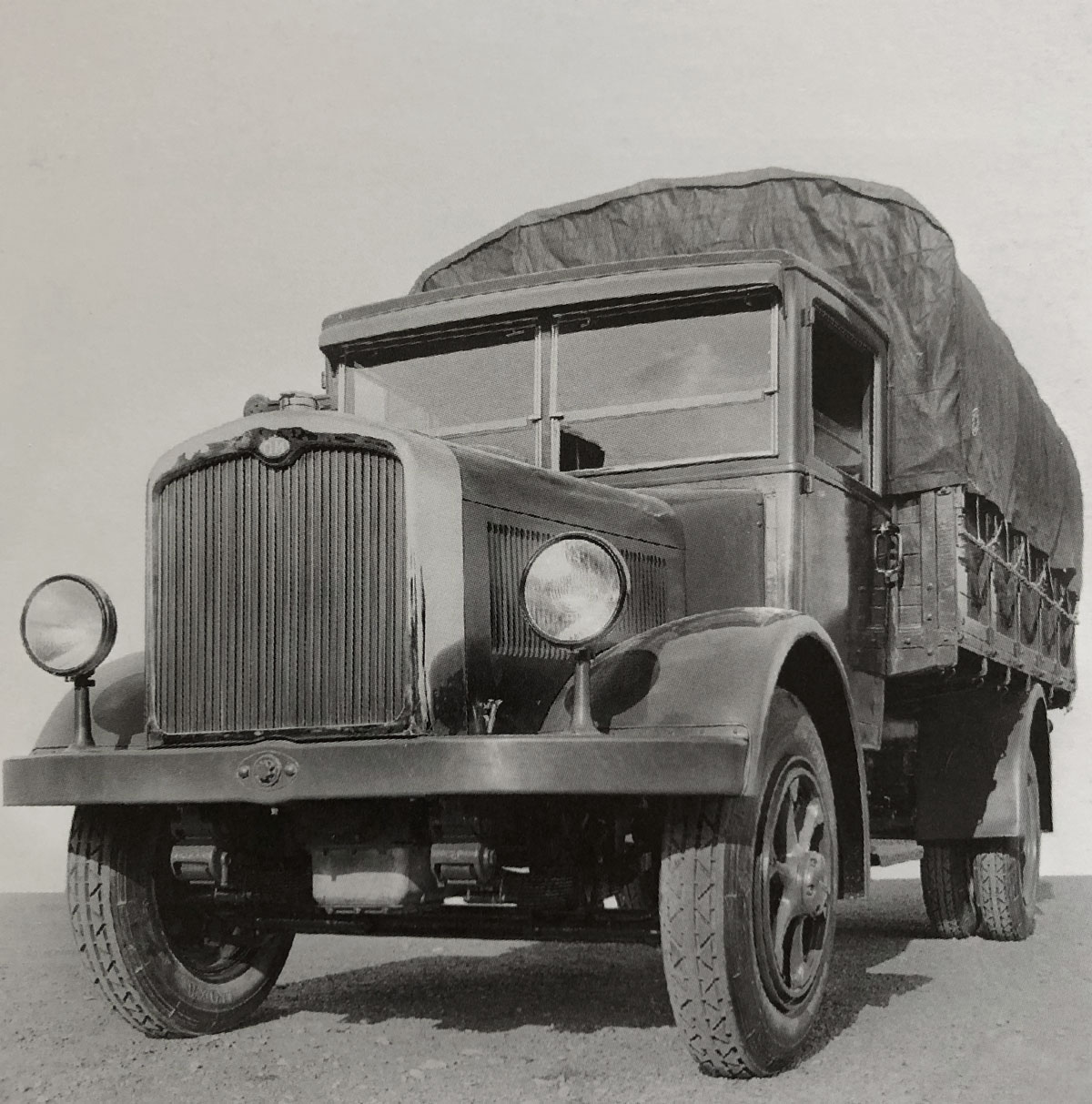
The OM 5 BLD truck, the same one purchased by Fert
- 1930
In the Thirties
In the early 1930s, as the president explained: "traffic to Milan is particularly done by trucks." This reality intensified also thanks to the opening of the Brescia-Milan motorway section in the same year.
Company advertising drawing. The truck reproduced is the OM 5 BLD, immediately proudly displayed in the colorful vignette
- The company's activity is totally immersed in an economy affected by regime choices. The commercial policy of the Fascist Government of those years, in fact, followed the restrictive policies in force throughout Europe. National trade took place primarily with Germany, a country with which commercial exchanges had become very substantial, and with the Italian colonies in Africa. In those years, the company proceeded with the purchase of a new truck with a Saurer-type trailer, also from the OM company, a Fiat 634, and a series of other vehicles.

One of the truck models part of the Fert fleet. The Fiat 634 N
- 1939
A new War
With the approaching war, as in the case of the first conflict, opportunities for Fert immediately expanded. - 1940These were years of good profit, but then with the end of the war, the damage had to be dealt with. The Milan branch was semi-destroyed, and another location was sought, and similarly, the rolling stock was very worn. Enrico Dalla Vecchia, the president's son who had been called to arms, returned safe and sound and resumed his role on the Board of Directors. The company, with effort, nevertheless proceeded to gradually renew itself.
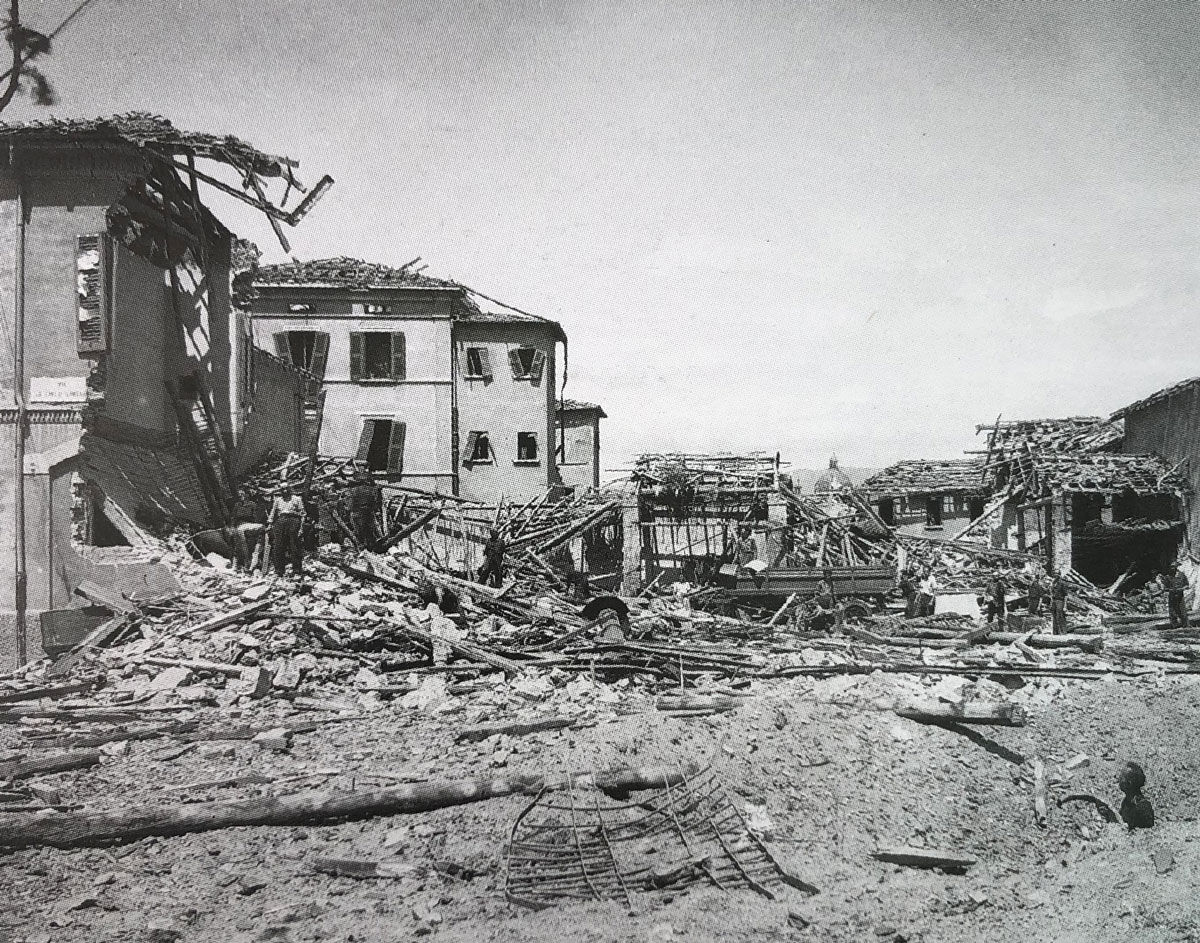
The city devastated by war
- Commercial exchanges changed with the outcome of the war, and thus import-export with Germany ceased, as did that with the colonies. The Western bloc of European countries and the Eastern bloc radically altered the structure of trade and the outbound flow of goods. Foreign trade, in fact, besides being meager, had to be carried out through the Allies, and only in 1946 did some signs of change begin to be recorded.

Industry and regime propaganda. The allegorical float of S. Eustacchio created in the implementation of the 1935 sanctions
Awaiting recovery
Strong inflation accompanied positive financial statements in those years. However, new realities emerged. A "competition from improvised road hauliers" who took advantage of the numerous decommissioned military vehicles available for low prices.
War remnants requisitioned and resold.
- Erculiani, at that moment president of Fert, proceeded on his own initiative to appoint Enrico Dalla Vecchia, son of the founder, to a new management position. This appointment would be very well received by most, who still remembered Federico Dalla Vecchia, the father, with gratitude and esteem.
New changes
Between 1947 and 1950, the company underwent various changes in its corporate structure. First, the decision of lawyer Erculiani to resign from the presidency, and then his death and the sale of shares by some members, led to the Besenzoni company, which had recently joined the Board of Directors, acquiring a majority stake. Despite some disagreements between Dalla Vecchia and Besenzoni, the network of contacts, clientele, and know-how expanded significantly, allowing the commercial network to count on new possibilities. The 1950 balance sheet showed a significant profit, as did the following year and the one after.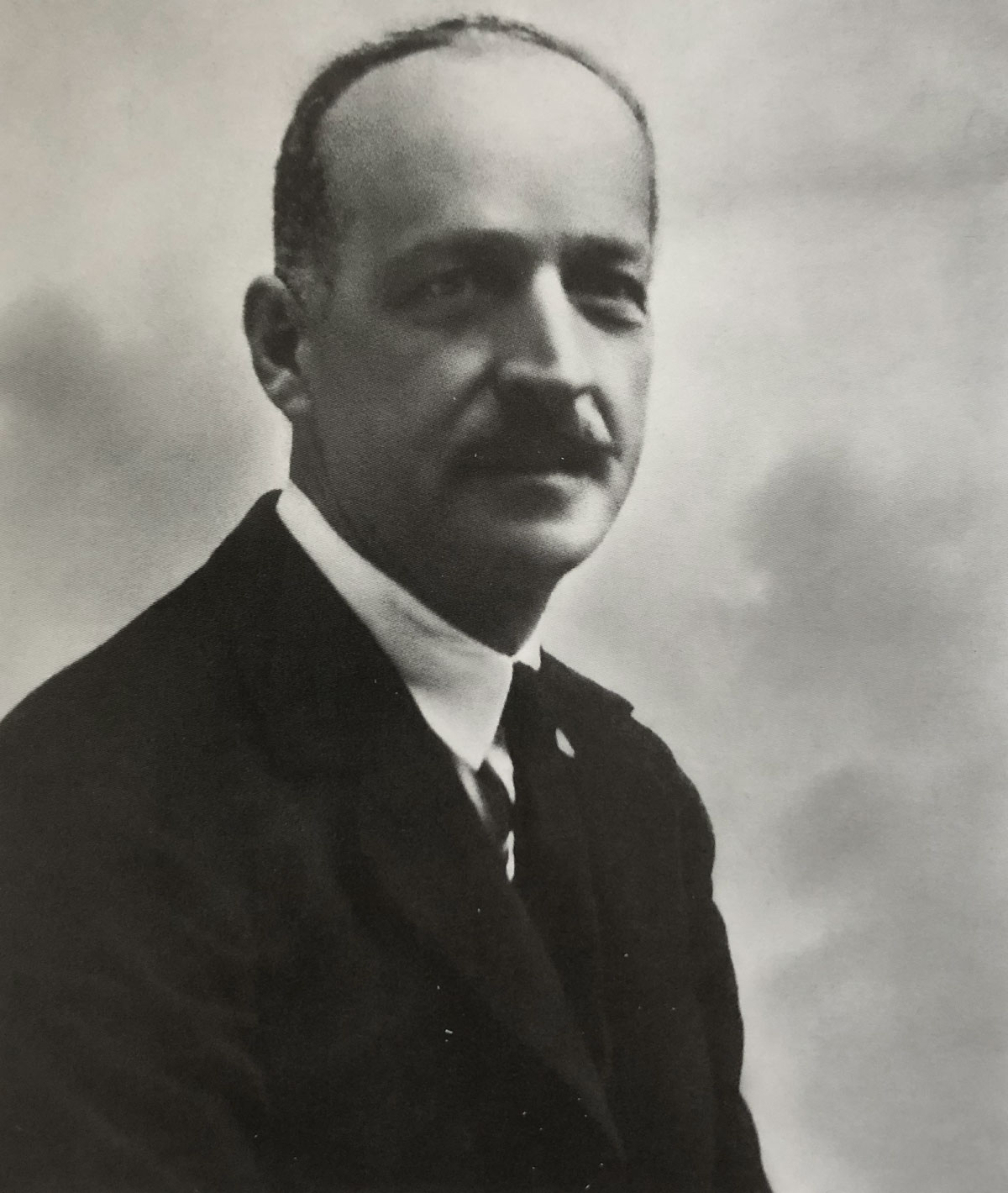
Federico Dalla Vecchia, first president of Fert
- 1950
Before the boom
Dalla Vecchia and Besenzoni are now established names in the landscape of freight forwarders and transporters, not only in Lombardy, despite the fact that in the early 1950s, there were as many as 943 transport companies in the Brescia area, with over 2600 employees. Freight traffic at the Brescia railway station decreased in favor of road transport, which was now more widespread, but despite this, the recovery would be slow. In fact, until 1955, it would still be possible to find entries for trucks and horses in the company's financial statements, a sign of the surviving mixed transport methods, before the boom.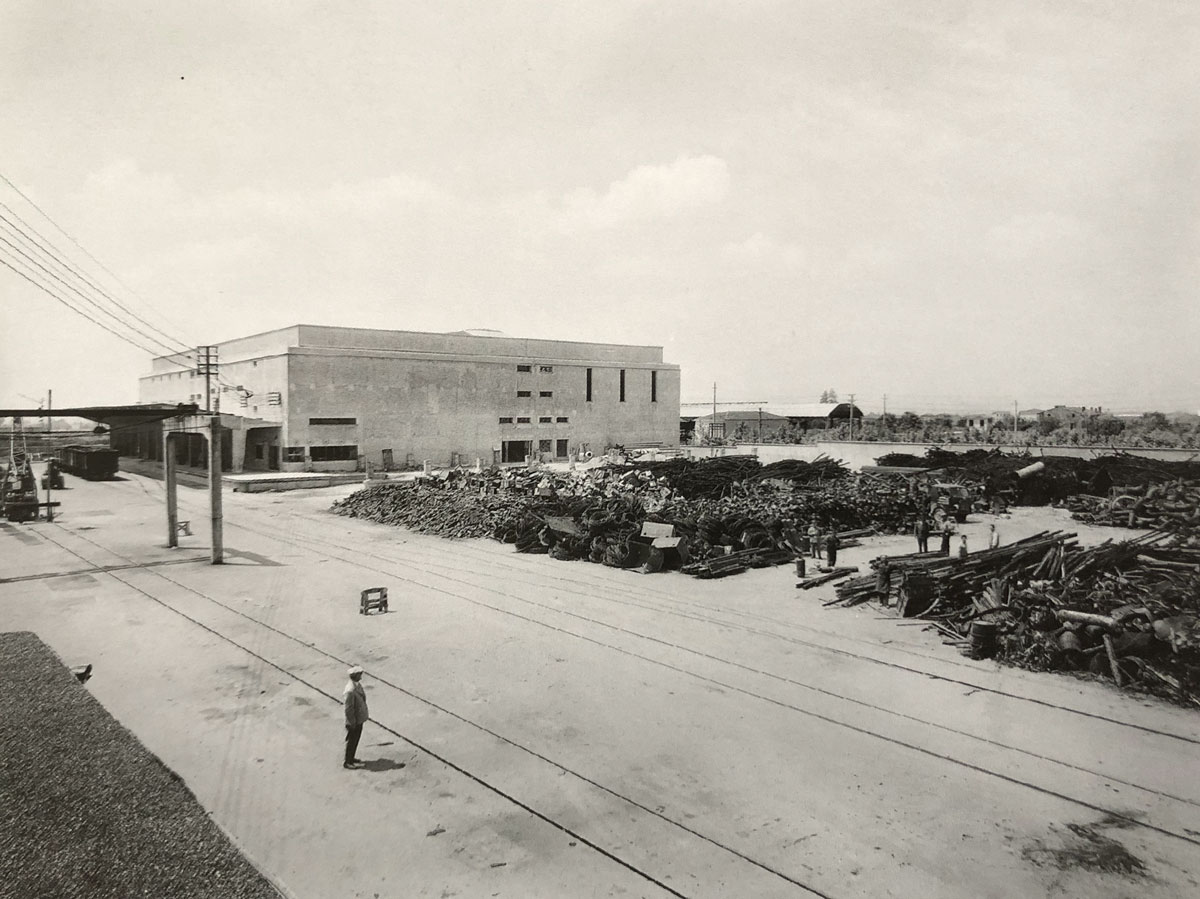
Last remnants of the "Piccola Velocità" (Slow Freight) railway in the 1950s
- In 1958, the Milan branch was reopened, but it did not achieve great success, ceasing operations the very next year, just as the Lumezzane branch had the year before. Difficulties persisted and competition was fierce, especially in the road transport sector, and so in March 1959, the Board of Directors launched the idea of almost entirely eliminating the trucking side, essentially giving up that sector and limiting the company's activity to solely freight forwarding services. A choice that immediately proved to be absolutely positive.
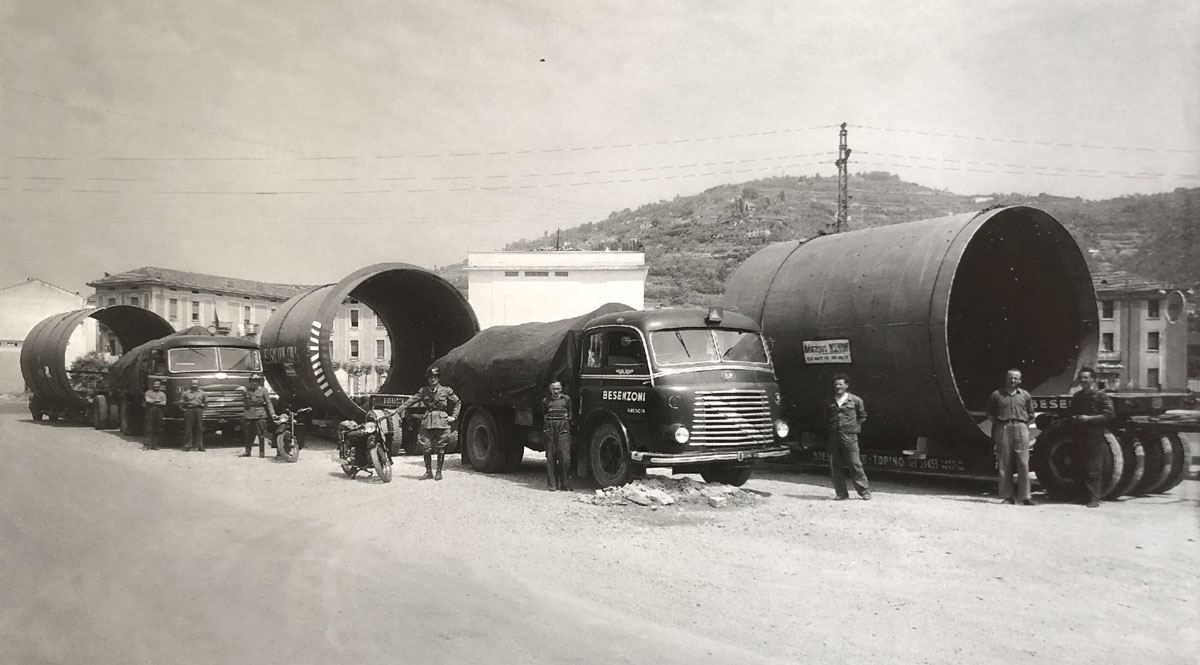
The Besenzoni company, a family of post-war Fert shareholders, organizes an exceptional transport by truck
- 1960Fert, according to an advertisement of the time, expanded its activity to include international air and road transport operations, also opening new warehouses. Brescia's economy gained momentum, rooting exploits that would characterize it for a long time. For Fert, these would be positive years, and it would be quick to adapt to the growth. During 1963, it would proceed with substantial investments for modernization. The company closely experienced the hopes and developments of the dizzying economic boom.

Exceptional transport
- 1970
From History to Chronicle
On August 21, 1970, Enrico Dalla Vecchia passed away. The incumbent president, Elebardo Besenzoni, would remember his figure with emotion. His twenty-nine-year-old son, Federico Dalla Vecchia, would replace him in the duties of administrative director. The same year, despite an increase in the vehicle fleet with which the company returned to operating in the direct transport sector, the company's profit reached 11 million lire. President Besenzoni transferred his shares to his brother Narno, and it was also decided to increase the share capital. With this operation, only two equal partners remained. From that moment, perhaps due to the good synergy between the two partners, a new happy period of rapid expansion began for Fert.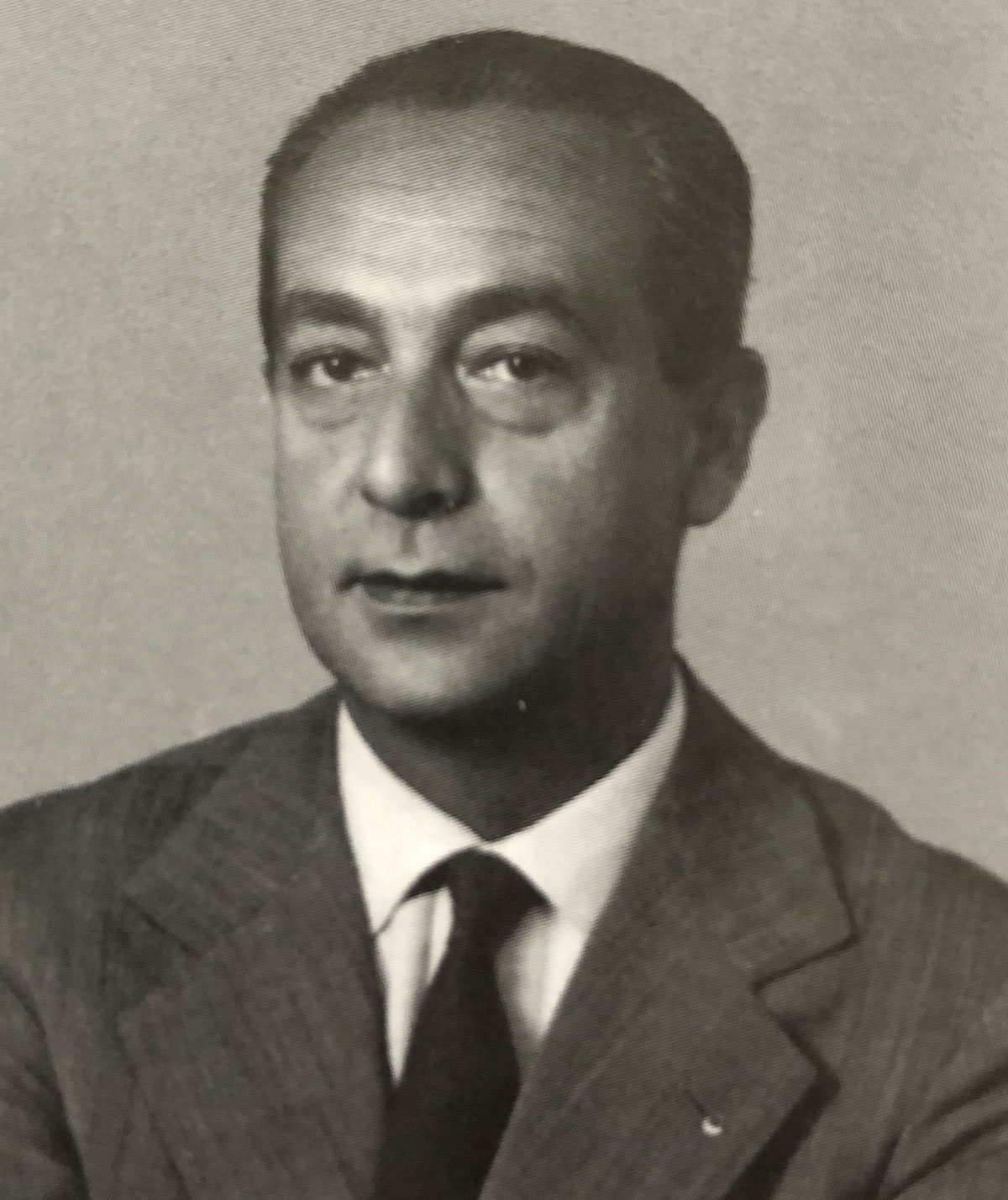
Enrico Dalla Vecchia, son of the first president Federico
- During these prosperous periods, specifically in 1978, Fert proceeded with the division into two major branches: car transport with car transporters and international groupage shipments. Thus, on one side, "Fert Trasporto Veicoli Industriali" (Fert Industrial Vehicle Transport) was born, also with the opening of new offices in Rome, Salerno, Sicily, and one in Belo Horizonte, Brazil, where Fiat had recently started vehicle production in American territory. Meanwhile, "Fert Impresa Generale Trasporti" (Fert General Transport Company) was transformed into "Fert Spedizioni Internazionali" (Fert International Shipments), continuing in the land, sea, and air shipping sector, now with a strong presence in the customs sector.
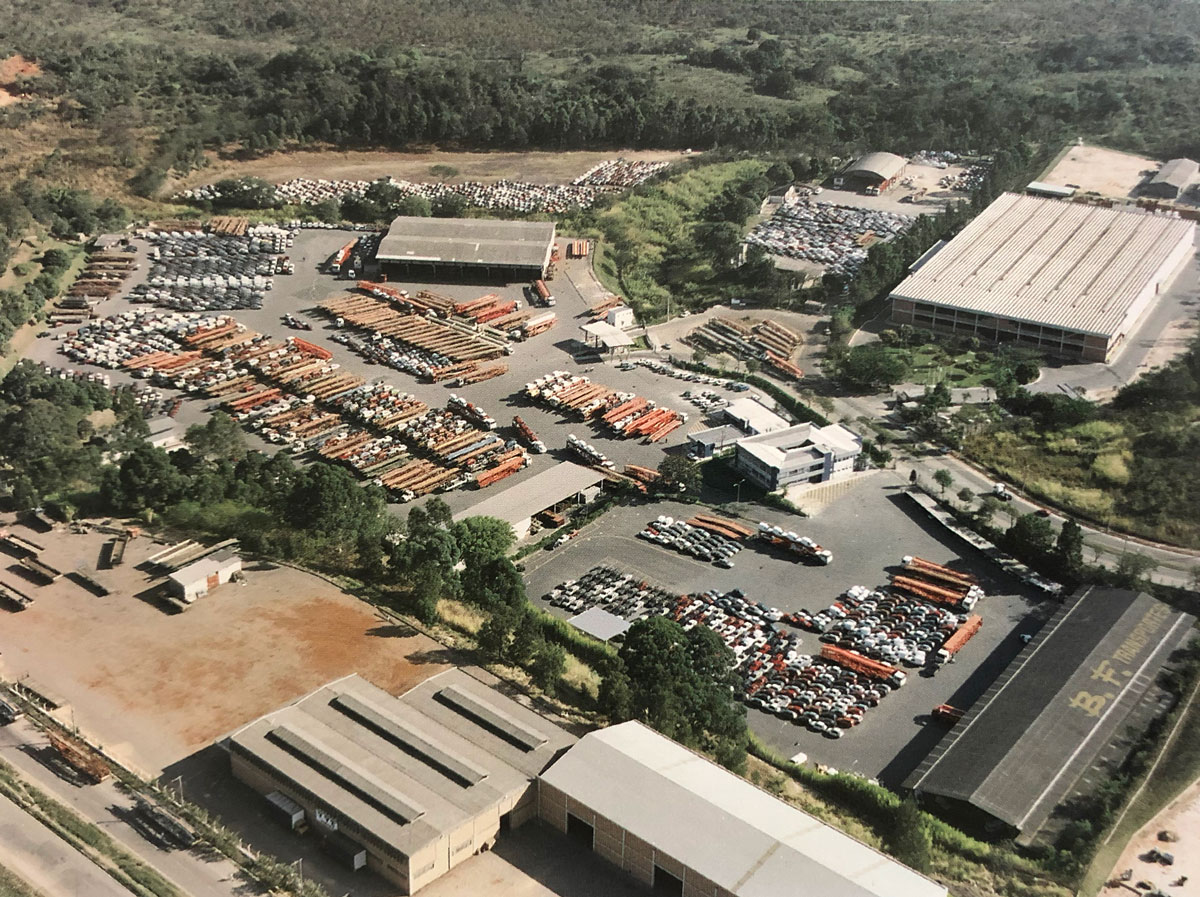
The Brazilian headquarters of the Besenzoni company in Belo Horizonte: Italian logistics and synergies with Fert for the roads of South America
- 1980
New Headquarters
In the face of significant increases in turnover, Fert decided in the 1980s to build new headquarters. 15,000 sqm of modern storage warehouses and internal customs offices. Despite increasingly fierce competition, the company consistently showed positive financial statements, so in 1991 it opened a new branch in Lainate.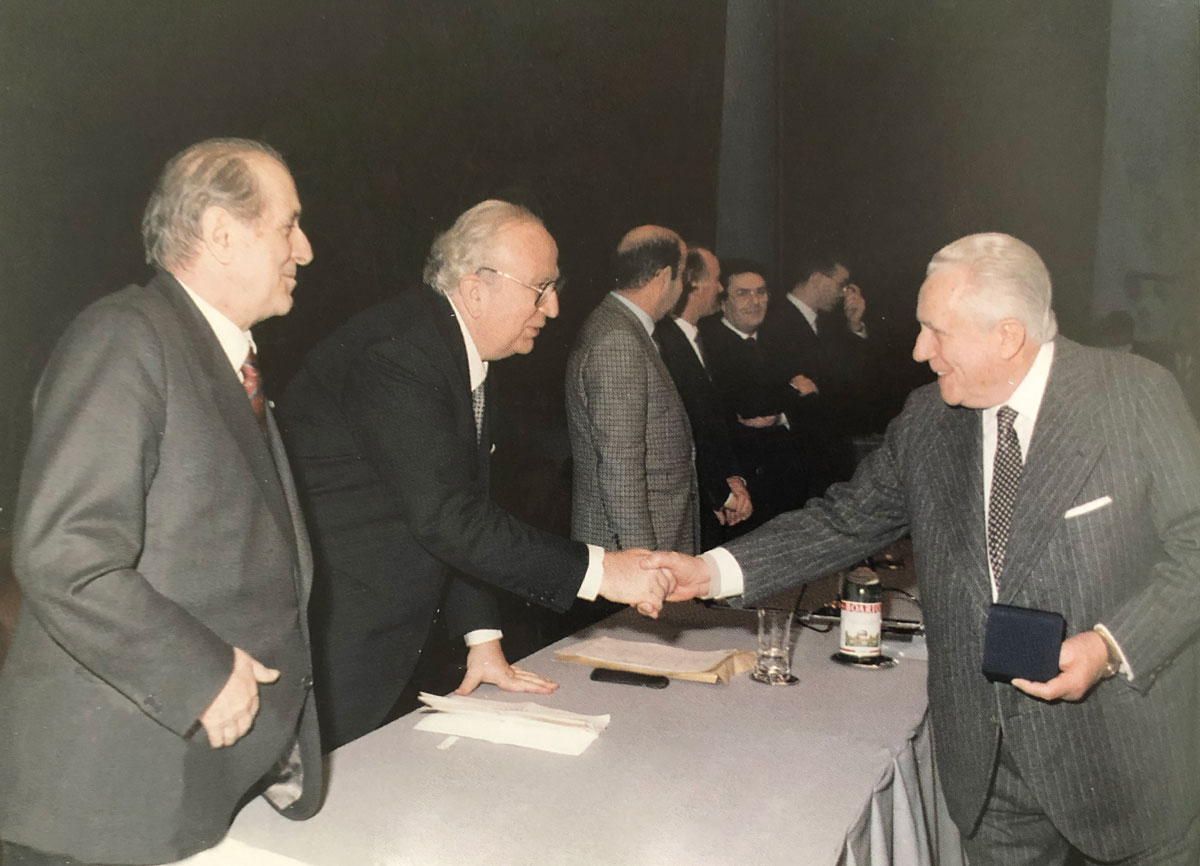
Narno Besenzoni, at the headquarters of the Brescian Industrialists' Association, receives recognition for his long entrepreneurial life from the hands of the President of the Senate, Giovanni Spadolini
- 1992The date February 7, 1992, represents a kind of break between the past and the present. On that date, as is known, the Maastricht Treaty establishing the new European Union was signed, with different modalities for the circulation of goods and money. Fert and the entire category of freight forwarders and transport companies would have to contend with new regulations and with competition previously unknown.
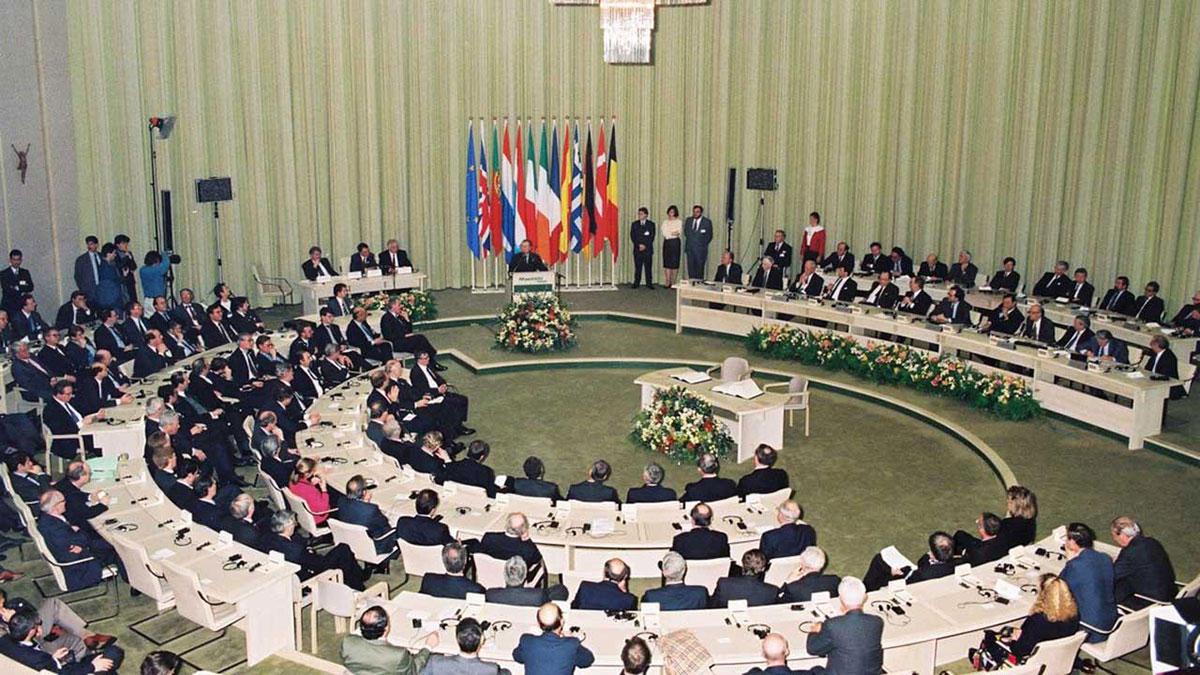
1992 – Maastricht Treaty
- 2000
The new millennium
The new millennium sees Fert employing approximately 45 people. The company is structured into three operational offices in Brescia, Verona, and Milan Lainate. Unfortunately, Narno Besenzoni passed away in February 2005.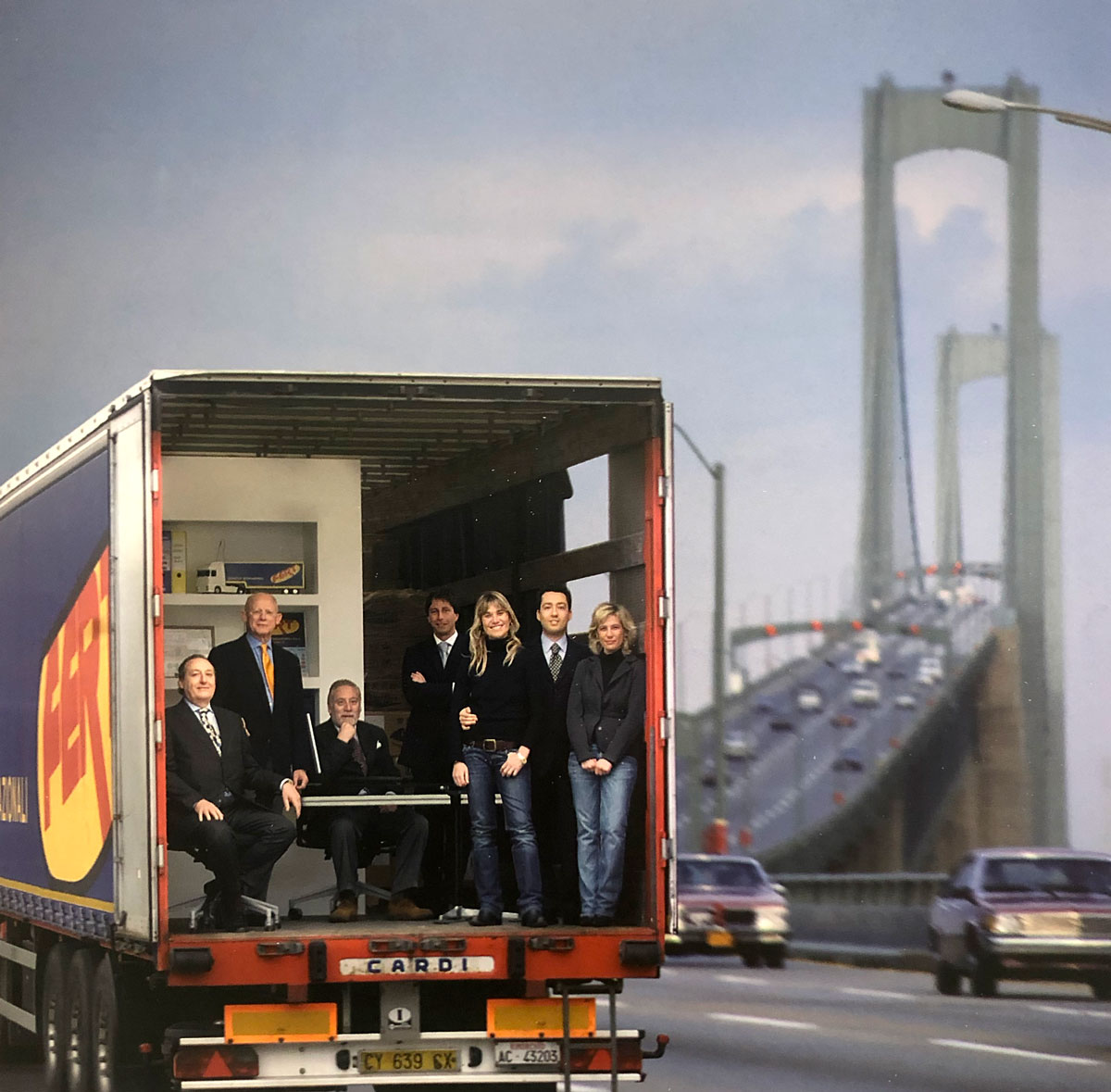
The Fert management group
- 2007
FERT turns 100 years old


